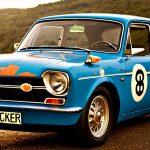

The Ford Orion remains one of the most misunderstood vehicles in British automotive history, often overshadowed by its more glamorous siblings. While many collectors focus on rare supercars or iconic sports models, the mid-range estate and hatchback of the late 1980s holds a unique place in enthusiast circles that goes far beyond mere nostalgia. Understanding the specific variants available allows you to make informed decisions about which model best suits your collection goals and budget constraints. This guide explores the Jet Set Escort lifestyle, offering insights into its cultural and social dimensions. The term scort appears frequently in older enthusiast forums and misprinted catalogues, serving as a historical marker for how these models were referenced in early collector communities before standard naming conventions took hold.
Identifying the correct chassis codes
Before you start searching for vehicles, you need to understand the complex coding system Ford used during the Orion production run. The Orion was essentially a rebadged version of the Escort V platform, but with distinct engine and transmission combinations that define its value today. Most models produced between 1983 and 1990 carry specific chassis codes that indicate their exact configuration and market origin. You will frequently encounter references to the sd escort in auction listings and private sales, which typically denotes a specific standard equipment package or production batch from certain European markets. Knowing these codes helps you distinguish between a genuine factory specification and a modified vehicle that has been relabelled to fit a popular category.
Visually identifying these codes can be tricky because the badging was often inconsistent across different assembly plants in Europe. In the UK, Escort Agencies and independent providers often offer distinct services and specializations for clients. You should always check the data plate located under the bonnet and the vehicle identification number on the firewall for accurate information. The sd Escort designation, for example, is not just a marketing term but a technical specification that affects parts availability and restoration difficulty. Getting this identification right at the start saves you from expensive mistakes later in the buying process.
Many beginners make the error of assuming all Orions are mechanically identical, which leads to costly parts mismatches when repairs become necessary. The engine bay reveals significant differences between the 1.3 litre, 1.6 litre, and 2.0 litre variants that were available during the production period. Each engine has unique mounting points, cooling requirements, and exhaust configurations that you cannot interchange without careful modification work. Taking time to decode these technical aspects before purchasing ensures you buy a vehicle that matches your specific restoration plans and performance expectations.
Sourcing a clean example for restoration
Finding a ford orion in good condition requires patience and a reliable network of contacts within the specialist community. The market is small but active, with dedicated forums and social media groups where owners share leads on available vehicles. You should set realistic expectations regarding price, as rust-free examples are becoming increasingly rare and command premium prices from serious collectors. Focus your search on vehicles that have been stored indoors or in dry climates, as corrosion remains the primary enemy of these body styles. A clean example is defined not just by surface condition but by structural integrity in the floor pans, wheel arches, and subframe areas.
When inspecting a potential purchase, bring a magnet and a paint depth gauge to detect hidden repairs and filler work that sellers might have concealed. The Orion bodyshell was prone to specific corrosion patterns around the front valances and the rear quarter panel junctions, so check these areas with extra care. Ask the seller for all service records and previous repair invoices, as this paper trail provides valuable insight into how the vehicle has been treated over its lifetime. A well-documented history can justify a higher purchase price and gives you confidence in the long-term viability of your project.
Avoid vehicles that have undergone extensive panel work without proper structural reinforcement, as this compromises safety and resale value. Look for straight lines and consistent panel gaps, which indicate a factory-fresh body structure rather than one that has been pieced together from donor parts. If the chassis rails show any signs of rust or repair, walk away unless you are prepared for an extensive and expensive underbody restoration. Your goal is to find a foundation that requires cosmetic work rather than structural surgery to keep your project manageable.
Securing period-correct components
Restoring an Orion to its original specification means sourcing parts that match the production year and market variant precisely. The demand for genuine trim pieces, badges, and interior components has risen sharply as more enthusiasts seek authenticity in their builds. You will need to distinguish between new old stock items and modern reproductions, as both have their place depending on your restoration goals. The scort badge, often seen on early models, is a sought-after item that adds historical accuracy to vehicles from the pre-Orion naming period. Understanding which parts were available for your specific model year prevents anachronistic mistakes that detract from the overall presentation.

Engine components require particular attention to ensure mechanical reliability and period accuracy. The carburettor and injection systems on these engines have specific calibration requirements that affect performance and emissions compliance. You should source fuel system components from reputable suppliers who specialise in vintage Ford applications rather than generic aftermarket alternatives. Matching the original specification helps maintain the character of the vehicle while ensuring it runs smoothly for decades to come. This attention to detail is what separates a casual restoration from a competition-worthy build.
Interior trims and upholstery materials are often the most difficult items to find in correct condition. The specific fabric patterns and leather textures used during the Orion production years have not been reproduced by many modern manufacturers. You may need to source original seats from donor vehicles or commission custom upholstery work using period-correct materials. The dashboard instruments and switchgear should also match the model year, as mixing components from different eras creates a disjointed appearance that knowledgeable buyers will notice immediately.
Addressing common structural corrosion issues
Rust management is the single most critical aspect of owning and restoring an Orion, as the steel bodywork was not designed with modern corrosion resistance in mind. The floor pans, sills, and rear arches are the primary areas where moisture accumulates and causes structural damage over time. You should inspect these areas regularly using a probe or a rust detector to identify hidden corrosion before it becomes visible. Proper preparation involves cutting out all affected metal and fabricating new panels from high-quality steel that matches the original gauge and thickness. This work requires patience and precision to ensure the repair is both strong and invisible.
Protective treatments play a vital role in preserving the structural integrity of your vehicle for years to come. Applying cavity wax and rust-proofing sprays to hidden areas provides an extra layer of defence against moisture intrusion. You should also consider installing drainage holes in areas where water tends to pool, such as the door sills and window channels. These small modifications can significantly extend the life of the bodywork and reduce the frequency of future repairs. A proactive approach to corrosion prevention saves money and effort in the long run.
When dealing with advanced rust damage, do not hesitate to replace entire sections of the body rather than patching over weak metal. Patch repairs on thin steel often fail within a few years, leading to repeated work and eventual structural failure. Investing in proper panel fabrication and welding techniques ensures that your repair is durable and maintains the vehicle’s original geometry. This is especially important for load-bearing areas like the subframe mounts and seat belt anchor points, where strength is critical for safety.
Matching engine and transmission specifications
The mechanical heart of your Orion must match the specific requirements of your model variant to ensure proper performance and reliability. The 1.6 litre engine was the most common configuration, but the 1.3 litre and 2.0 litre options offer distinct characteristics that appeal to different types of drivers. You should verify that the transmission matches the engine output and the intended use of the vehicle, as mismatched gear ratios can affect handling and fuel economy. The sd escort specification often included specific transmission options that were not available on other trims, so check the data plate for confirmation. Ensuring mechanical consistency is essential for a high-quality restoration.

Suspension and steering components require careful attention to maintain the original ride height and handling characteristics. The Orion used a multi-link rear suspension that required precise alignment settings to function correctly. You should source new bushings, ball joints, and shock absorbers from quality manufacturers who specialise in classic Ford applications. Properly aligned suspension not only improves driving comfort but also reduces wear on tyres and other components. This is an area where cutting corners leads to poor handling and premature failure.
Braking systems need to be upgraded carefully to maintain period accuracy while ensuring modern safety standards. The original drum brakes at the rear may feel inadequate for contemporary driving conditions, but disc brakes were available as options on some models. You should check the data plate to see if your specific vehicle came with disc brakes or drums before making any modifications. Mixing brake components from different eras can create compatibility issues and affect the balance of the braking system. Consistency is key to a successful mechanical restoration.
Documenting provenance and authenticity
Proper documentation is what elevates your Orion from a restored vehicle to a valuable collector’s item. You should compile all service records, repair invoices, and correspondence with suppliers into a single binder for future reference. This paper trail provides evidence of the care and attention you have dedicated to the project and adds significant value when it comes time to sell. Include photographs of the restoration process at each stage, as these images tell the story of your work and demonstrate authenticity. A well-documented vehicle is more attractive to serious buyers and commands a higher price in the market.
Membership in specialist clubs and attendance at events provide opportunities to connect with other enthusiasts and share knowledge about these vehicles. These communities are valuable resources for finding rare parts, getting advice on difficult repairs, and staying informed about market trends. They also offer a sense of belonging and shared purpose that enhances the enjoyment of ownership. The Orion community is small but dedicated, with members who are willing to help newcomers navigate the complexities of restoration and maintenance.
As you complete your project, remember that the value of your Orion lies not just in its mechanical condition but in its historical significance and authentic presentation. A vehicle that has been restored with care and documented thoroughly will stand the test of time and remain a prized possession for years to come. The satisfaction of owning a well-crafted example of this often-overlooked model is a reward in itself, regardless of market value. Your dedication to authenticity and quality ensures that your Orion remains a testament to the craftsmanship of its era.

I have always been fascinated by the psychology of companionship and the sociological nuances of the adult industry. My goal is to provide thoughtful, clear-eyed perspectives on the dynamics of connection and service that define this world. I approach every topic with a genuine curiosity about the human stories involved.